
ما الذي تبحث عنه؟

Yes, solar panels can be installed on a roof with uneven surfaces, provided that the roof structure is sound and the mounting system can compensate for the measured differences in height and alignment. Adjustable roof hooks, suitable mounting brackets, and properly aligned aluminum rails can help create a stable and level installation surface. However, if the unevenness comes from structural damage, roof sagging, or deteriorated roofing materials, those problems must be corrected before installing solar panels.
For residential and commercial solar projects, an uneven roof does not automatically mean that solar installation is impossible. The key is to identify why the roof is uneven, determine how much adjustment the mounting structure can provide, and select components that match the actual roof conditions. SIC SOLAR provides adjustable roof hooks and solar mounting components designed for different roof configurations.
This guide explains how installers can assess uneven roofs, choose suitable mounting solutions, and avoid common installation problems.
An uneven roof can have several different causes. Some are related to the original building design, while others develop over time because of weather exposure, aging materials, or structural movement. Identifying the actual cause is the first step in selecting an appropriate solar mounting system.
Common roof conditions include:
These conditions should not all be treated in the same way. Minor differences in mounting height may be manageable through adjustable components, while structural deformation requires a professional roof assessment before installation.
Adjustable solar roof hooks are one of the practical solutions for dealing with variations in roof height, especially on tiled roofs. Their adjustable structure allows installers to fine-tune the position of the mounting rail instead of relying on a completely fixed connection height.
For example, the Adjustable PV Mounting Structure Roof Tile Hook from SIC SOLAR is designed for tile roof applications. It uses AL6005-T5 aluminum and SUS304 stainless steel components and is suitable for different tile profiles, including flat, curved, and Roman tiles.
The adjustment feature helps installers position the mounting connection at the required height and improve rail alignment. This is particularly useful when tile thicknesses or roof profiles vary across the same installation area.
However, an adjustable roof hook has a defined adjustment range. It should not be used to compensate for seriously damaged rafters, unstable roof structures, or excessive roof deformation. The actual adjustment range, attachment position, and load capacity must be verified against the product drawings and project requirements.
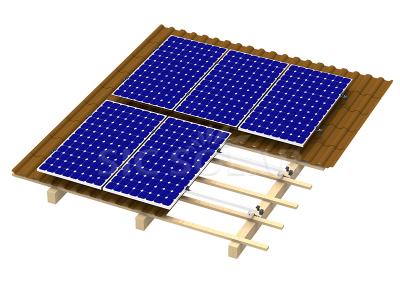
Solar mounting rails connect the roof attachments and provide the supporting surface for photovoltaic modules. Even when individual roof attachment points have slightly different heights, properly selected mounting components can help installers establish a consistent rail plane.
The installation process should focus on several important details:
A suitable solar mounting system should be selected as a complete structural solution rather than as a collection of unrelated components. Roof hooks, rails, connectors, and clamps must work together to support the photovoltaic modules under the expected wind and snow loads.
The best mounting solution depends on the roofing material, roof structure, and type of surface variation. A mounting component designed for tile roofs may not be suitable for a trapezoidal metal roof or a standing seam roof.
Tile roofs: Adjustable roof hooks can accommodate differences in tile profiles and mounting heights. Installers should check the condition of the tiles, locate the supporting rafters, and ensure that the hooks do not place excessive pressure on the roofing material.
Metal roofs: The mounting attachment should match the metal sheet profile and connection method. For example, standing seam roofs generally require compatible seam clamps, while trapezoidal roofs may use profile-specific brackets or fasteners. The supporting structure and sheet thickness must also be evaluated.
Flat roofs: Where the roof surface has minor height variations, an appropriately designed adjustable support structure may help establish the required module angle and alignment. However, roof drainage, waterproofing, and structural loading must remain part of the design.
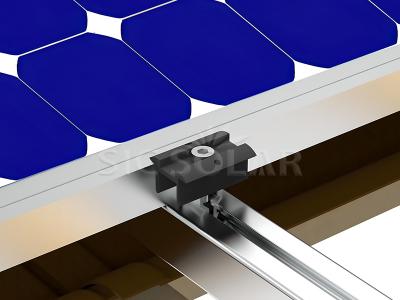
For projects involving different tile profiles, SIC SOLAR also offers a Double Adjustable A2 Solar Roof Hook. Its two adjustment points provide additional positioning flexibility when connecting the mounting rails to pitched or tiled roofs.
The important point is to select a roof-specific attachment based on actual site measurements. Choosing a mounting bracket simply because it appears to fit the roof can create alignment and load-transfer problems later.
Installing solar panels without correcting or accommodating significant roof irregularities can affect the entire mounting structure. Even relatively small alignment errors can become more noticeable when repeated across a large solar array.
These risks are why roof inspection and mounting layout verification should happen before the installation team starts fixing the support components. A visually level panel array does not automatically indicate that the structure underneath has been correctly designed.
A practical site assessment helps determine whether an adjustable mounting solution is sufficient or whether roof repairs and structural modifications are necessary.
SIC SOLAR develops solar mounting structures and components for different rooftop applications. When planning a project with unusual roof geometry, providing roof drawings, photographs, roof material details, and the expected solar module specifications can help the supplier evaluate the appropriate mounting configuration.
SIC SOLAR offers mounting components for different roof structures, including tile roof mounting solutions and adjustable roof hooks. These products help installers adapt the mounting connection to actual roof conditions rather than relying on one fixed configuration for every project.
For a project with uneven roof surfaces, the selection process should consider roof type, attachment height, rail configuration, module dimensions, and site-specific loading requirements. Adjustable components can provide installation flexibility, but the final system must still meet the relevant structural and waterproofing requirements.
If you are planning a rooftop solar project and need mounting components for irregular roof profiles, you can contact SIC SOLAR with your project drawings and roof details to discuss a suitable mounting solution.
Can solar panels be installed on an uneven roof?
Yes. Solar panels can be installed on roofs with minor surface variations when suitable adjustable mounting components and properly aligned rails are used. Structural damage or excessive roof deformation must be evaluated and corrected first.
Do adjustable solar roof hooks make every uneven roof suitable for solar panels?
No. Adjustable roof hooks can compensate for certain differences in mounting height and roof profiles, but they cannot repair weak rafters, damaged roof structures, or severe deformation.
How do installers level solar panels on an uneven tile roof?
Installers measure the roof attachment points, select suitable adjustable hooks, and align the mounting rails before fixing the modules. The adjustment range and structural connections must be checked against the project design.
Can uneven roof tiles cause solar panel installation problems?
Yes. Different tile heights and profiles can affect hook positioning, rail alignment, and roof waterproofing. Installers should choose compatible roof hooks and avoid placing excessive pressure on the tiles.
What information should I provide when requesting an uneven roof solar mounting solution?
Provide roof drawings or photographs, roofing material, roof pitch, measured height differences, supporting structure details, solar module dimensions, and the project's wind and snow load requirements.



 IPv6 الشبكة المدعومة
 العربية
 English
 Deutsch
 español
 português
 Nederlands
 日本語
 한국의
 Melayu
 Tiếng việt