
ما الذي تبحث عنه؟

في نظام تركيب الطاقة الشمسية يُعدّ حساب أحمال الرياح من أهم الخطوات الهندسية في تصميم الألواح الشمسية. تتعرض الألواح الشمسية لظروف خارجية قاسية لعقود، ويمكن أن تؤثر قوى الرياح بشكل كبير على استقرارها الهيكلي. يضمن حساب أحمال الرياح بدقة قدرة نظام التركيب على تحمل قوى الرفع والضغط والقوى الديناميكية دون أي عطل.
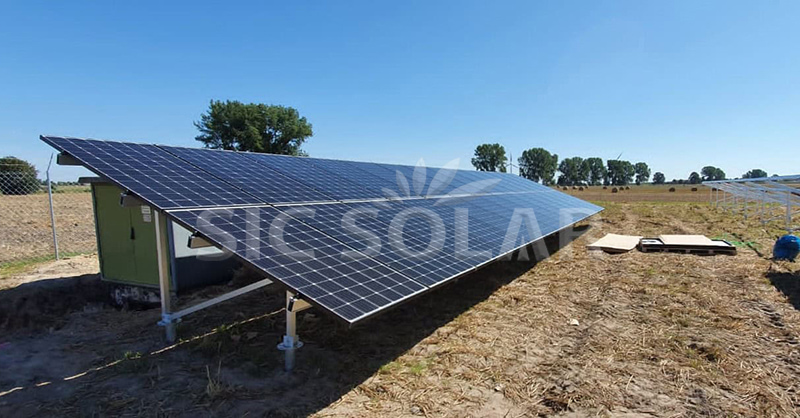
يشير حمل الرياح إلى القوة التي تُؤثر بها الرياح على الهيكل. بالنسبة لأنظمة تركيب الألواح الشمسية، يشمل ذلك كلاً من الضغط الهابط وقوى الرفع التي قد تُؤدي إلى رفع الألواح عن دعاماتها. وتعتمد عملية الحساب على مزيج من البيانات البيئية وتصميم النظام والمعايير الهندسية.
يُعدّ معدل سرعة الرياح العامل الأول في حساب أحمال الرياح. ويستخدم المهندسون عادةً معدل سرعة الرياح الأساسي المحدد في قوانين أو معايير البناء المحلية. وتمثل هذه القيمة أقصى معدل سرعة رياح متوقع في منطقة معينة. وتؤدي سرعات الرياح الأعلى إلى زيادة القوى المؤثرة على الألواح الشمسية وهيكل التثبيت.
بعد ذلك، يجب مراعاة ارتفاع وموقع التركيب. قد تتعرض الأنظمة المثبتة على أسطح المنازل أو في الحقول المفتوحة لضغوط رياح مختلفة تبعًا لتعرضها للعوامل الخارجية. على سبيل المثال، تسمح الأراضي المفتوحة ذات العوائق القليلة بتدفق الرياح بحرية أكبر، مما يزيد من الحمل على الهيكل. أما المناطق الحضرية المحاطة بالمباني فقد تقلل من تأثير الرياح إلى حد ما.
من العوامل المهمة الأخرى زاوية ميل الألواح الشمسية واتجاهها. فالألواح المثبتة بزوايا ميل أكبر تلتقط كمية أكبر من الرياح، مما يزيد من قوى الرفع. كما يؤثر ترتيب الألواح، بما في ذلك المسافة بين الصفوف وتصميمها، على كيفية تدفق الرياح عبر النظام. ويمكن للتصميم الانسيابي أن يساعد في تقليل ضغط الرياح وتحسين الاستقرار العام.
يؤثر شكل وحجم الألواح الشمسية أيضًا على حمل الرياح. فكلما زاد حجم الألواح، زادت مساحة سطحها المعرضة للرياح، مما يؤدي إلى قوى أكبر. يقوم المهندسون بحساب المساحة المسقطة للألواح وتطبيق معاملات الضغط لتحديد الحمل الكلي المؤثر على النظام.
الصيغة المبسطة التي تُستخدم غالبًا في حساب أحمال الرياح هي:
حمل الرياح = ضغط الرياح × المساحة × المعامل
يُستمد ضغط الرياح من سرعة الرياح وكثافة الهواء، ويتم حسابه عادةً باستخدام معادلات هندسية قياسية محددة في قوانين البناء. وتُطبق معاملات لمراعاة عوامل مثل شكل اللوحة وميلها ونوع تركيبها.
تُؤخذ عوامل الأمان في الحسبان عند إجراء الحسابات. تضمن هذه العوامل قدرة نظام التركيب على تحمل أحمال تتجاوز الظروف العادية، مما يوفر هامش أمان أثناء الظروف الجوية القاسية. يصمم المهندسون النظام ليلبي هذه المتطلبات أو يتجاوزها لضمان موثوقيته على المدى الطويل.
يتأثر تصميم الأساسات بشكل مباشر بحسابات أحمال الرياح. بالنسبة للأنظمة الأرضية، يجب أن تكون الأساسات، مثل البراغي الأرضية أو القواعد الخرسانية، قادرة على مقاومة قوى الرفع والقوى الجانبية. أما بالنسبة للأنظمة المثبتة على الأسطح، فيجب اختيار طريقة التركيب - سواء كانت بالثقل أو بالاختراق - بناءً على أحمال الرياح المحسوبة.
غالبًا ما تُصمَّم أنظمة تركيب الألواح الشمسية الحديثة مع مراعاة هذه الحسابات. ومن بين الشركات المصنعة: شركة إس آي سي للطاقة الشمسية تصمم هذه الشركات هياكل تركيب الألواح الكهروضوئية لتتوافق مع المعايير الدولية لمقاومة الرياح. ومن خلال الجمع بين التحليل الهيكلي وحلول التركيب العملية، فإنها تساهم في ضمان استقرار أنظمة الطاقة الشمسية في ظل مختلف الظروف البيئية.
يُعدّ حساب أحمال الرياح بدقة أمرًا بالغ الأهمية لضمان السلامة والأداء الأمثل. فهو لا يحمي الألواح الشمسية وهيكل التثبيت فحسب، بل يضمن أيضًا الامتثال للوائح المحلية والمعايير الهندسية. وفي كل مشروع للطاقة الشمسية، يلعب التحليل الدقيق لقوى الرياح دورًا محوريًا في توفير تركيب موثوق ودائم.



 IPv6 الشبكة المدعومة
 العربية
  English
 Deutsch
 español
 português
 Nederlands
 日本語
日本語 한국의
한국의 Melayu
 Tiếng việt