ما الذي تبحث عنه؟

أنظمة الطاقة الشمسية المثبتة على الجدران هي حل ممتاز عندما تكون مساحة السقف محدودة أو عندما تتطلب المباني دمج الألواح الكهروضوئية في واجهاتها. تُستخدم عادةً في المنازل السكنية والمباني التجارية والمستودعات والمنشآت الصناعية، حيث توفر طريقة فعالة لتوليد الطاقة المتجددة مع الاستفادة من الأسطح العمودية. يعتمد نجاح التركيب على التخطيط المناسب ومكونات التثبيت الملائمة والتثبيت الهيكلي الآمن.
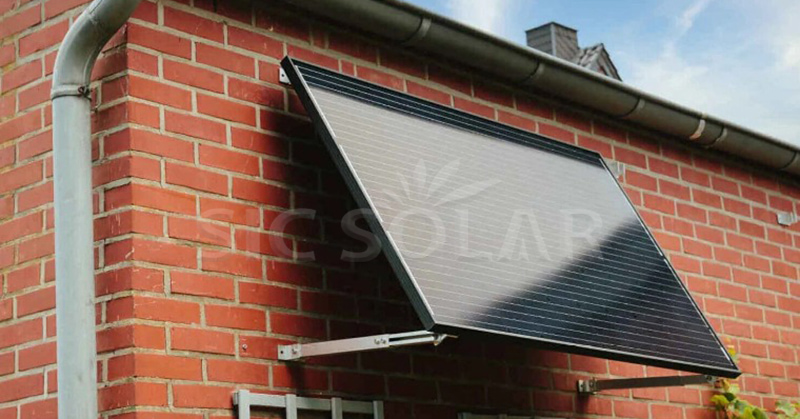
الخطوة الأولى هي تقييم الجدار نفسه. يحتاج القائمون على التركيب إلى تحديد مادة الجدار وقوته الهيكلية وقدرته على تحمل الأحمال قبل تركيب أي معدات تثبيت. تكون الجدران الخرسانية والطوبية وجدران البناء المسلح مناسبة عمومًا لأنظمة الطاقة الشمسية المثبتة على الجدران، بينما قد تتطلب الجدران خفيفة الوزن تدعيمًا إضافيًا. يضمن التقييم الهيكلي قدرة الجدار على دعم وزن نظام التثبيت والألواح الشمسية بأمان.
بعد ذلك، يتم اختيار موقع التركيب. يجب أن يتلقى الجدار قدرًا كافيًا من ضوء الشمس طوال اليوم مع أقل قدر ممكن من التظليل الناتج عن المباني القريبة أو الأشجار أو العوائق الأخرى. في نصف الكرة الشمالي، توفر الجدران المواجهة للجنوب عادةً أفضل تعرض شمسي، بينما قد يختلف الاتجاه المثالي حسب المناخ المحلي ومتطلبات الطاقة.
بمجرد الانتهاء من التصميم، يحدد القائمون على التركيب مواضع التثبيت وفقًا للرسومات الهندسية. ثم تُثبت حوامل الجدران بإحكام باستخدام مسامير تثبيت أو مثبتات كيميائية مناسبة لمادة الجدار. يتم حساب المسافة بين الحوامل بعناية لتوزيع الأحمال بالتساوي وتوفير مقاومة كافية للرياح والقوى البيئية الأخرى.
بعد تركيب حوامل الجدران، تُثبت القضبان المصنوعة من الألومنيوم لإنشاء الإطار الداعم للألواح الشمسية. تعد المحاذاة الدقيقة ضرورية لضمان تثبيت الألواح بشكل متساوٍ والحفاظ على استقرارها الهيكلي. تستخدم العديد من الأنظمة المثبتة على الجدران أيضًا حوامل قابلة للتعديل، مما يسمح للقائمين على التركيب بتحسين زاوية ميل الألواح لالتقاط أفضل لأشعة الشمس وزيادة إنتاج الطاقة.
بعد ذلك، توضع الألواح الشمسية على القضبان وتُثبت باستخدام مشابك طرفية ومشابك وسطية. يجب إحكام جميع أدوات التثبيت وفقًا لقيم عزم الدوران الموصى بها من الشركة المصنعة لضمان اتصال موثوق مع السماح بالتمدد الحراري الناتج عن تغيرات درجات الحرارة الموسمية.
يأتي التركيب الكهربائي بعد التجميع الميكانيكي. تُوصل كابلات التيار المستمر بين الألواح وتُمرر بشكل منظم عبر أنظمة إدارة الكابلات إلى العاكس. يتم تركيب التأريض المناسب والموصلات المقاومة للماء وأجهزة الحماية الكهربائية وفقًا للمعايير الكهربائية المحلية لضمان تشغيل النظام بأمان وكفاءة.
تلعب جودة نظام التثبيت دورًا مهمًا في أداء التركيب ومتانته. توفر الشركات المصنعة مثل SIC Solar، وهي شركة متخصصة في إنتاج وتوريد أنظمة تثبيت الألواح الكهروضوئية، حلولًا للطاقة الشمسية المثبتة على الجدران مصممة لتوفير القوة ومقاومة التآكل وكفاءة التركيب. تناسب أنظمة التثبيت الخاصة بها مجموعة متنوعة من واجهات المباني وتدعم الأداء الخارجي طويل الأمد في مختلف الظروف البيئية.
قبل وضع النظام قيد التشغيل، يتم إجراء فحص نهائي. يتحقق القائمون على التركيب من الاستقرار الهيكلي للحوامل والقضبان، ويتأكدون من إحكام جميع أدوات التثبيت بشكل صحيح، ويفحصون التوصيلات الكهربائية، ويؤكدون أن الألواح مثبتة في مواضعها بأمان. تساعد الصيانة الدورية، بما في ذلك تنظيف الوحدات وفحص معدات التثبيت، على ضمان استمرار نظام الطاقة الشمسية المثبت على الجدران في العمل بأمان وكفاءة طوال فترة خدمته.



 IPv6 الشبكة المدعومة
 العربية
  English
 Deutsch
 español
 português
 Nederlands
 日本語
日本語 한국의
한국의 Melayu
 Tiếng việt