
ما الذي تبحث عنه؟

أنظمة الطاقة الشمسية المثبتة على الأرضأصبحت أنظمة الطاقة الشمسية المثبتة على الأرض خيارًا شائعًا للشركات التجارية والمنشآت الصناعية والمشاريع الزراعية لأنها توفر المرونة وقابلية التوسع وإمكانات عالية لتوليد الطاقة. وعلى عكس التركيبات على الأسطح، يتم تركيب الأنظمة المثبتة على الأرض مباشرة على الأراضي المفتوحة، مما يسمح للمطورين بتحسين موضع الألواح وحجم النظام وإنتاج الطاقة وفقًا لمتطلبات المشروع المحددة.
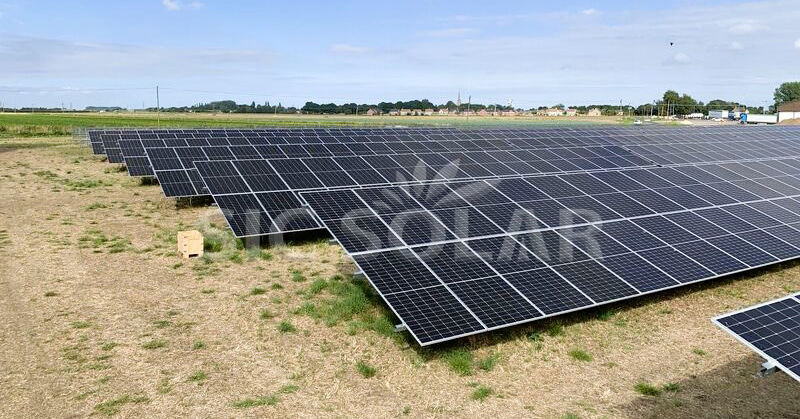
تتمثل إحدى أكبر مزايا أنظمة الطاقة الشمسية المثبتة على الأرض في توفر المساحة. غالبًا ما تمتلك المباني التجارية والمزارع مساحات كبيرة من الأراضي غير المستخدمة التي يمكن تحويلها إلى مواقع للطاقة المتجددة. يتيح ذلك للشركات تركيب مصفوفات شمسية أكبر دون التقيد بحجم السطح أو هيكله أو اتجاهه. وبالنسبة للمشاريع الزراعية، يمكن للأنظمة المثبتة على الأرض أيضًا دعم تطبيقات الطاقة الشمسية الزراعية من خلال السماح باستمرار الأنشطة الزراعية حول الألواح الشمسية أو أسفلها.
تعد مرونة التصميم فائدة مهمة أخرى. يمكن تعديل الأنظمة المثبتة على الأرض لتحقيق زاوية الميل والاتجاه المثاليين للحصول على أقصى تعرض لأشعة الشمس. وعلى عكس الأنظمة المثبتة على الأسطح، التي يجب أن تتبع تصميم السقف الموجود، توفر التركيبات الأرضية حرية أكبر لتحسين إنتاج الطاقة على مدار العام.
تُعد الصيانة أيضًا أكثر سهولة مقارنة بالعديد من التركيبات على الأسطح. نظرًا لتركيب الألواح على مستوى الأرض، يمكن للفنيين الوصول إلى النظام بسهولة أكبر لإجراء عمليات الفحص والتنظيف والإصلاحات. ويقلل ذلك من تعقيد الصيانة ويساعد على ضمان استمرار تشغيل النظام الشمسي بكفاءة طوال فترة خدمته.
بالنسبة للتطبيقات التجارية، توفر أنظمة الطاقة الشمسية المثبتة على الأرض طريقة فعالة لتقليل تكاليف الكهرباء وتحسين استقلالية الطاقة. يمكن للمصانع والمستودعات والمؤسسات الكبيرة ذات الاستهلاك العالي للطاقة تركيب مصفوفات شمسية واسعة النطاق لتوليد الكهرباء في الموقع وتقليل الاعتماد على مصادر الطاقة التقليدية.
تستفيد التطبيقات الزراعية أيضًا من تعدد استخدامات الهياكل المثبتة على الأرض. يمكن للمزارعين الجمع بين إنتاج الطاقة الشمسية وزراعة المحاصيل أو رعي الماشية أو تشغيل المنشآت الزراعية. ومن خلال التصميم المناسب، يمكن لهياكل التركيب المرتفعة توفير مساحة كافية لمعدات الزراعة والعمليات اليومية مع توليد الكهرباء المتجددة.
تُعد الأساسات وهيكل التركيب عوامل حاسمة في أداء أنظمة الطاقة الشمسية المثبتة على الأرض. وبناءً على ظروف التربة ومتطلبات المشروع، يمكن اختيار خيارات مختلفة للأساسات مثل البراغي الأرضية أو الركائز المدقوقة أو الأساسات الخرسانية. ويضمن الهيكل المصمم بشكل صحيح الثبات في مواجهة الرياح والثلوج والظروف البيئية الأخرى.
تقدم شركات تصنيع مثل SIC Solar، وهي شركة متخصصة في إنتاج وتوريد أنظمة تركيب الخلايا الكهروضوئية، حلولًا للطاقة الشمسية المثبتة على الأرض مصممة للمشاريع التجارية والزراعية. وقد صُممت أنظمتها باستخدام مواد متينة وتكوينات مرنة وطرق تركيب فعالة لتلبية مختلف ظروف المواقع وأحجام المشاريع.
تتمثل ميزة أخرى للأنظمة المثبتة على الأرض في قابليتها للتوسع. يمكن للشركات والمشغلين الزراعيين توسيع المصفوفة الشمسية مستقبلًا إذا زاد الطلب على الطاقة. وتجعل التصاميم المعيارية إضافة ألواح إضافية أو تعديل تخطيط النظام أسهل دون إجراء تغييرات هيكلية كبيرة.
عند التخطيط لها بعناية وتركيبها بشكل احترافي، توفر أنظمة الطاقة الشمسية المثبتة على الأرض منصة موثوقة لتوليد الطاقة المتجددة على نطاق واسع. إن مرونتها وسهولة الوصول إليها وقدرتها على التكيف تجعلها خيارًا عمليًا للعقارات التجارية والمزارع وغيرها من التطبيقات في المناطق المفتوحة حيث يمثل تعظيم إمكانات الطاقة الشمسية أولوية.



 IPv6 الشبكة المدعومة
 العربية
  English
 Deutsch
 español
 português
 Nederlands
 日本語
日本語 한국의
한국의 Melayu
 Tiếng việt