
ما الذي تبحث عنه؟

أنظمة تركيب الطاقة الشمسية الزراعية، والمعروفة أيضًا باسم أنظمة التركيب الزراعية الكهروضوئية، مصممة لدعم الألواح الكهروضوئية مع السماح ببقاء الأراضي الزراعية منتجة. ونظرًا لأن هذه الأنظمة تُركّب عادةً في حقول مفتوحة ذات حواجز رياح طبيعية قليلة، فإنها غالبًا ما تتعرض لرياح قوية وظروف جوية قاسية. لذلك، يُعد ضمان الاستقرار الإنشائي أحد أهم جوانب تصميم الأنظمة الزراعية الكهروضوئية.
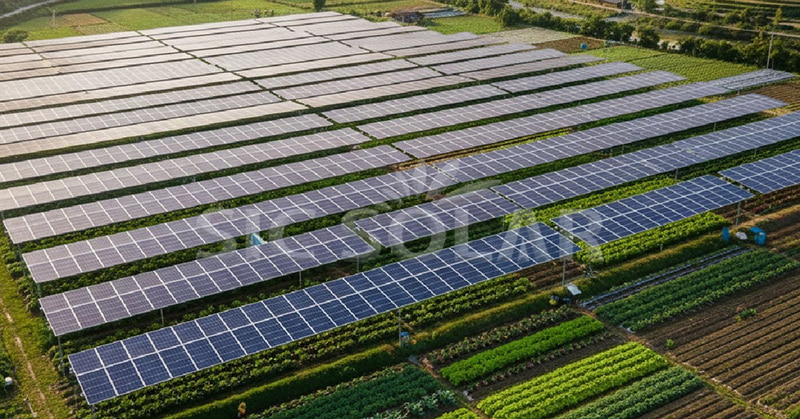
تتمثل الخطوة الأولى في تصميم نظام تركيب شمسي زراعي مقاوم للرياح في إجراء تحليل مفصل لأحمال الرياح. يقيّم المهندسون سرعات الرياح المحلية، وخصائص التضاريس، وأكواد البناء، وارتفاع مصفوفة الألواح الشمسية. وبما أن الأراضي الزراعية تقع عادةً في مناطق مفتوحة، فقد يكون ضغط الرياح أعلى بكثير مقارنةً بالبيئات الحضرية. وتحدد هذه الحسابات القوة المطلوبة لهيكل الدعم والأساس لضمان السلامة على المدى الطويل.
يلعب التصميم الإنشائي لنظام التركيب أيضًا دورًا حاسمًا. تُبنى التركيبات الشمسية الزراعية عمومًا بارتفاع خلوص أرضي أكبر من الأنظمة التقليدية المثبتة على الأرض، مما يسمح بمرور الجرارات، ومعدات الري، والماشية، أو المحاصيل من أسفلها. وعلى الرغم من أن زيادة الارتفاع تحسن قابلية الاستخدام الزراعي، فإنها تعرض الهيكل أيضًا لقوى رياح أكبر. ولهذا السبب، يستخدم المهندسون عوارض دعم معززة، وتباعدًا محسنًا للأعمدة، ودعامات متقاطعة مصممة بعناية لتحسين الصلابة وتقليل حركة الهيكل.
يُعد اختيار الأساس عاملًا رئيسيًا آخر في مقاومة الرياح. واعتمادًا على ظروف التربة ومتطلبات المشروع، قد تستخدم الأنظمة الشمسية الزراعية براغي أرضية، أو ركائز مدفوعة، أو أساسات خرسانية. ويُختار كل خيار بناءً على قدرته على توفير قوة تثبيت كافية مع الحفاظ على الاستقرار طويل الأمد. يساعد الأساس المصمم بشكل صحيح على منع الرفع أو الهبوط أو الحركة أثناء العواصف القوية.
تُعد جودة المواد مهمة بالقدر نفسه. تُصنع معظم أنظمة التركيب الشمسية الزراعية من الفولاذ المجلفن بالغمس الساخن أو سبائك الألومنيوم عالية القوة، مع مثبتات من الفولاذ المقاوم للصدأ. توفر هذه المواد المقاومة للتآكل قوة ميكانيكية ممتازة مع تحمل سنوات من التعرض للأمطار، والرطوبة، والأسمدة، وتقلبات درجات الحرارة الشائعة في بيئات الزراعة.
يمكن أن يؤثر تخطيط الألواح وزاوية الميل أيضًا في أداء مقاومة الرياح. يحدد المهندسون بعناية المسافة بين صفوف الألواح لتقليل اضطرابات الرياح مع ضمان وصول ضوء الشمس الكافي إلى المحاصيل الموجودة أسفلها. في المناطق التي تشهد رياحًا شديدة متكررة، قد يتم اختيار زوايا ميل أقل لتقليل ضغط الرياح دون التأثير بشكل كبير في إنتاج الطاقة.
يُعد التركيب الاحترافي أمرًا ضروريًا للحفاظ على السلامة الهيكلية. يجب تركيب كل أساس وعمود دعم وقضيب ومشبك وفقًا للرسومات الهندسية وشدّها وفق قيم عزم الدوران المحددة. تضمن المحاذاة الدقيقة توزيع أحمال الرياح بالتساوي في جميع أنحاء هيكل التثبيت بدلًا من تركّز الإجهاد على مكونات فردية.
الشركات المصنّعة مثل SIC Solar، وهي شركة متخصصة في إنتاج وتوريد أنظمة تثبيت الخلايا الكهروضوئية، تقدم حلول تثبيت الطاقة الشمسية الزراعية المصممة للعمل في البيئات الخارجية الصعبة. تجمع أنظمتها بين المواد المتينة والتصاميم الهيكلية المحسّنة وخيارات الأساسات المرنة لتوفير دعم موثوق للألواح الشمسية مع التكيف مع مجموعة متنوعة من التطبيقات الزراعية.
تعمل عمليات الفحص الدورية على تحسين مقاومة النظام للظروف الجوية القاسية. يساعد الفحص الدوري للبراغي والقضبان وأعمدة الدعم والأساسات على اكتشاف الوصلات المفكوكة أو علامات التآكل قبل أن تتطور إلى مشكلات هيكلية أكبر. وتكون الصيانة الوقائية ذات قيمة خاصة في المناطق التي تتعرض للعواصف الموسمية أو الأعاصير.
من خلال الجمع بين حسابات أحمال الرياح الدقيقة والهندسة الهيكلية المتينة والمواد القوية والأساسات الآمنة، يمكن لأنظمة تثبيت الطاقة الشمسية الزراعية تحمّل الرياح القوية مع مواصلة دعم كل من توليد الطاقة المتجددة والإنتاج الزراعي. يحمي نظام التثبيت المصمم هندسيًا بشكل صحيح مجموعة الألواح الشمسية، ويقلل متطلبات الصيانة، ويوفر أداءً موثوقًا طوال فترة عمر المشروع.



 IPv6 الشبكة المدعومة
 العربية
  English
 Deutsch
 español
 português
 Nederlands
 日本語
日本語 한국의
한국의 Melayu
 Tiếng việt