
ما الذي تبحث عنه؟

الأسقف المسطحة—تلك المساحات الواسعة فوق المباني التجارية والمستودعات والمصانع وحتى المنازل الدافئة—تُعد مواقع مثالية لتركيب أنظمة الطاقة الشمسية. لكن يا لها من حالة قلق تتسلل عند التفكير في الغشاء العازل للماء الموجود أسفلها! فخطوة خاطئة واحدة—مثل حفر غير ضروري أو لمسة غير حذرة—قد تؤدي إلى تسربات تطاردك. ومع ذلك، لا داعي للخوف! باستخدام طريقة التثبيت المناسبة وقليل من الحذر، يمكنك تجنب إلحاق الضرر بذلك الغشاء مع الاستمرار في تركيب الألواح الشمسية فوقه.
أولًا وقبل كل شيء—ألقِ نظرة فاحصة على ذلك السقف قبل أن تفكر حتى في تركيب أي شيء. افحصه كما لو كنت محققًا في قضية—الحالة، والعمر، ونظام تصريف المياه، والغشاء العازل للماء، والقدرة على تحمل الأحمال. هل توجد أي علامات على التآكل أو التلف؟ أصلحها قبل أن تفكر حتى في إضافة مجموعة ألواح شمسية. فأنت لا تريد تحميل مزيد من الضغط على سقف يشعر أصلًا بثقل العالم فوقه.
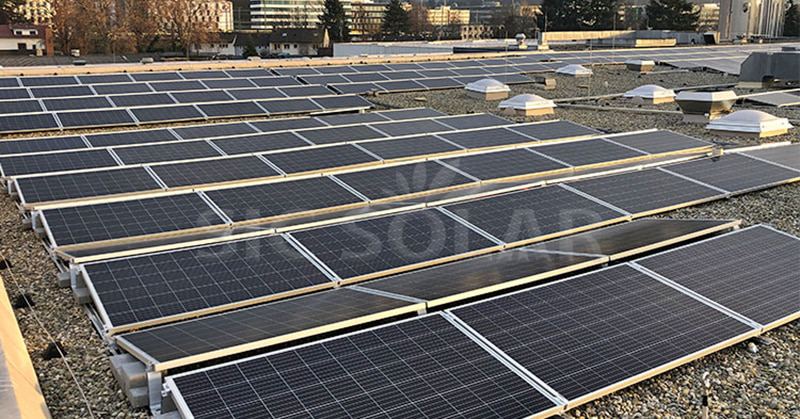
والآن، لنتحدث عن خيار مفيد: نظام التثبيت الشمسي المُثقل بالأوزان. بدلًا من إحداث ثقوب في تلك الطبقة العازلة الثمينة للماء، يستخدم هذا النظام أوزانًا محسوبة لإبقاء كل شيء في مكانه. تخيل ذلك: الألواح والقضبان وإطارات الدعم مثبتة بإحكام بواسطة الأوزان—مثل سفينة ترسو في مياه هادئة—مما يسمح لغشاء السقف بالعمل براحة. تتألق هذه الطريقة خصوصًا على الأسقف الخرسانية المسطحة، حيث يمكن للهيكل تحمل الحمل الإضافي دون عناء.
وهناك أيضًا نظام التثبيت غير المخترق، المصمم خصيصًا للأسقف المسطحة. تستخدم هذه التصاميم المبتكرة قواعد ومشابك مصممة هندسيًا خصيصًا، مما يقلل أو حتى يلغي الحاجة إلى اختراق السقف. وإذا كنت بحاجة إلى تثبيت شيء بطريقة ميكانيكية، فتأكد من توصيله بنقاط الهيكل الصحيحة—فكر في الأمر كأنك تمنح سقفك عناقًا لطيفًا، مع تفاصيل عزل مائي احترافية لإتمام الأمر.
ولا تنسَ الطبقات الواقية! يمكن للوسادات المطاطية أو الحصائر الواقية أن تعمل كحاجز، فتمنع أي تلامس قاسٍ بين هيكل التثبيت والغشاء العازل للماء. إنها تشبه وسادة ناعمة تقلل خطر التآكل الناتج عن الاهتزازات أو التمدد الحراري، مع توزيع الحمل بالتساوي على سطح السقف.
والآن، لندخل في التفاصيل الدقيقة لحسابات الأوزان. يعتمد الوزن المطلوب على مجموعة من العوامل—ارتفاع المبنى، ومدى تعرض السقف، وزاوية ميل الألواح، وسرعة الرياح المحلية، وموقع مجموعة الألواح الشمسية. غالبًا ما تتعرض حواف وزوايا السقف لأشد تأثيرات الرياح، لذا كن مستعدًا لإضافة المزيد قليلًا من الأوزان أو التعزيزات هناك.
أما التصريف—يا له من تصريف مهم—فلا تدعه يغيب عن بالك أبدًا. يجب ألا تعيق هياكل التثبيت مصارف السقف أو تُنشئ بركًا صغيرة من مياه الأمطار. حافظ على مسافات مناسبة بين الدعامات وتأكد من وجود خلوص كافٍ حول قنوات التصريف للحفاظ على نظام إدارة المياه الأصلي للسقف.
ممارسات التركيب؟ إنها بالغة الأهمية أيضًا! تجنب سحب مكونات التثبيت فوق السقف مثل عملاق أخرق. استخدم مسارات وصول مخصصة لحماية ذلك الغشاء. أما المعدات الثقيلة؟ فأبعدها عن المناطق الحساسة، وتأكد من وضع كل شيء وفقًا للرسومات الهندسية—فالدقة هي المفتاح.
مصنّعون مثل SIC Solar هم حلفاؤك في هذا المسعى، إذ يقدمون حلول تثبيت للأسقف المسطحة تقلل من الاختراقات غير الضرورية. تجمع أنظمتهم بين التصاميم المُثقلة بالأوزان والتصاميم غير المخترقة، مما يوفر دعمًا هيكليًا قويًا، وتركيبًا فعالًا، وتوافقًا مع أنواع مختلفة من الأسقف المسطحة.
بعد اكتمال التركيب، لا تكتفِ بالمغادرة. افحص ذلك السقف وهيكل التثبيت كما لو كان المشهد الأخير في فيلم إثارة. تحقق من وضع الأوزان، وافحص الوسادات الواقية، وتأكد من خلو مسارات التصريف، ودقق في أي تفاصيل تتعلق بالعزل المائي. يمكن للفحوصات الدورية اكتشاف أي حركة أو أضرار محتملة في الغشاء قبل أن تتحول إلى مشكلة كبيرة ومزعجة.
باستخدام تقنية التثبيت المناسبة، والحسابات الهيكلية الدقيقة، والتعامل الحذر أثناء التركيب، يمكن للألواح الشمسية أن تزيّن الأسقف المسطحة دون المساس بتلك الطبقة العازلة للماء بالغة الأهمية. السر؟ اختر نظامًا يتناغم مع هيكل السقف الحالي ويحافظ على قدرته الفعالة على العزل المائي. لذا، فلنبدأ—فالطاقة الشمسية بانتظارنا!



 IPv6 الشبكة المدعومة
 العربية
  English
 Deutsch
 español
 português
 Nederlands
 日本語
日本語 한국의
한국의 Melayu
 Tiếng việt